How Leather Becomes
a Specification.
From material specification to final inspection, every product begins with understanding exactly what it needs to be.
Armaaz Leather Gear develops and manufactures custom leather products around specific material, construction, and application requirements. Before production begins, each project is reviewed to determine the appropriate manufacturing approach.
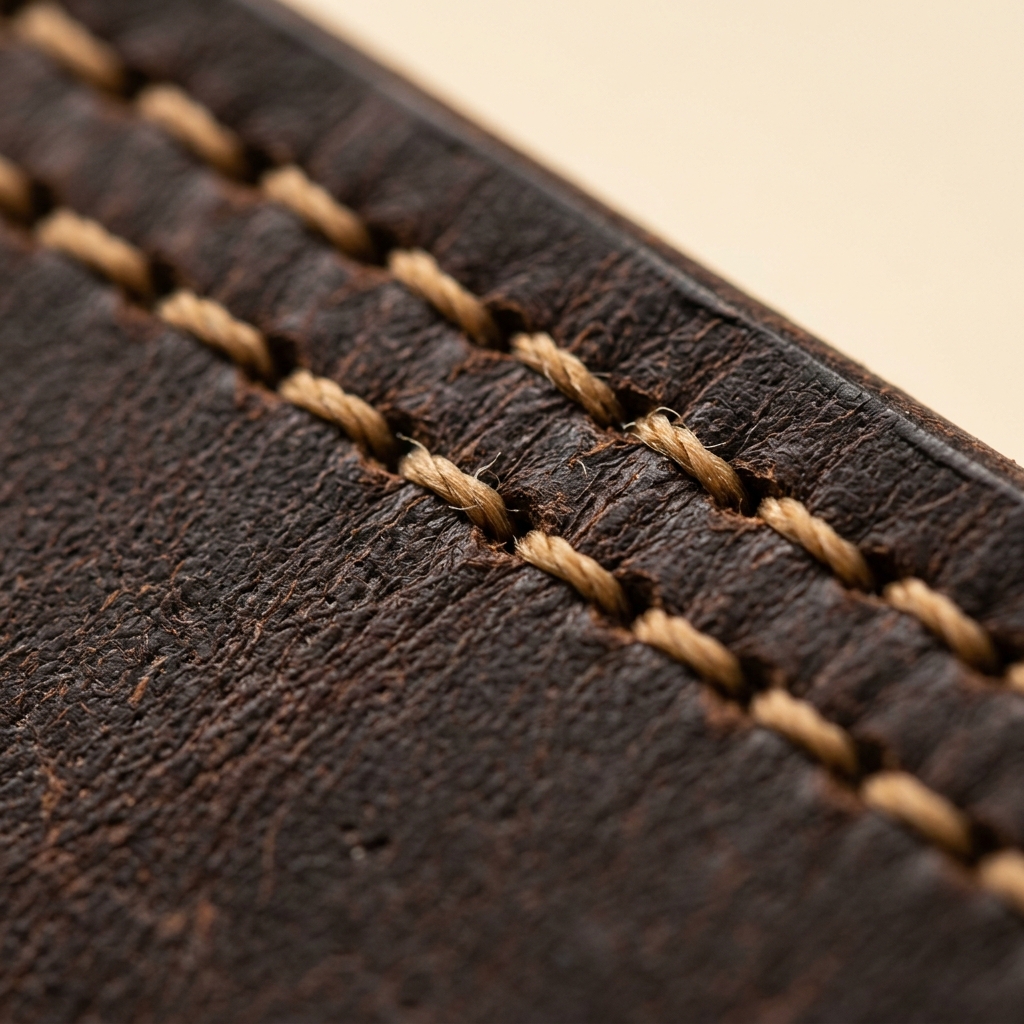
There is no single way to manufacture leather.
Product Requirement Dictates Material Selection
Armaaz rejects one-size-fits-all raw material assumptions. Hide type, gauge thickness, temper, and finish are engineered specifically for your product brief.
Leather manufacturing does not begin on the stitching floor: it begins with the intended product and its precise functional demands. A dress belt does not require the same material structure as a wallet; a heavy motorcycle jacket does not share the same material characteristics as a knife sheath or carrying pouch.
A hunting pouch, strap, collar, dice cup or minimalist cardholder each demand distinct hide selections, temperings, and cutting disciplines. Read more about our specialized full-grain cowhide leather and suede and nubuck split leathers to understand how different surfaces behave under stress.
Leather thickness is selected according to hide type, application, and product requirements.
CALCULATE HIDE GAUGE FOR YOUR PROJECT →Armaaz works across a broad range of operational hide weights. These metrics represent the practical thickness spectrum relevant to client specifications across global export projects. Explore our dedicated guide on top-grain leather finishing for technical specs.
Sheep / Goat / Deer
Generally processed for lighter specifications requiring high flexibility, soft hand-feel, and precision garment or glove stitching.
Cowhide
Processed up to 4.0 mm based on application: providing exceptional tensile strength for heavy-duty belts, bags, and protective gear.
Buffalo
Capable of heavy industrial gauges up to 5.5 mm: utilized for maximum durability, heavy utility straps, tool rolls, and structural goods.
The hide changes the manufacturing equation.
Different animal hides possess unique fiber densities, grain characteristics, and natural stretch limits. Cowhide, buffalo, sheep, goat, and deer hides each react differently under die-cutting, skiving, and edge-finishing operations.
No single hide type is universally superior: suitability depends entirely on the buyer's product specification. The specification determines the process. Learn more about our material selection process across all product categories.
SELECT YOUR HIDE TYPE →Cowhide (4.0 MM)
Selected for a heavy-duty structured waist belt requiring high rigidity, clean beveling, and firm edge slicking.
Buffalo (3.5 MM)
Selected for rugged saddlebags or tool cases where pronounced grain structure and extreme tear-resistance are paramount.
Before anything is cut, the material has to be right.
Armaaz evaluates the material preparation pipeline for every project. The raw specification moves through structured verification steps before hitting our pattern drafting and die cutting tables.
The product determines what the leather needs to do.
Manufacturing decisions vary significantly across product classes. Below are real technical examples illustrating how end-use requirements shape material selection:
Belts & Straps
Requires heavy, structured leather specifications with low stretch and crisp die-cut edge integrity. View our custom belt manufacturing specs.
Wallets & Cardholders
Demands thinner, precise skived edges to allow clean pocket folding without excessive bulk. Explore wallet production options.
Jackets & Vests
Requires supple hand-feel, consistent drape, and uniform weight for anatomical comfort and movement. See jacket manufacturing details.
Hunting & Outdoor Products
Bags, pouches, and cartridge belts require oil-waxed or veg-tan hides capable of enduring weather exposure and heavy friction. See hardware integration.
Pet Accessories
Collars and leashes require high tensile break-strength, padded lining layers, and corrosion-resistant hardware anchorage. Check pet product specs.
Sheaths, Covers & Specialty
Knife sheaths, dice cups, and hard covers rely on firm molding leathers engineered for shape retention and structural protection.
Quality is not checked once.
Inspection follows the product throughout production. Learn about our complete in-line quality control protocols.
The product can change.
The discipline doesn't.
Armaaz manufactures a diverse spectrum of custom leather goods through OEM custom manufacturing and private label leather production lines. The hide type may change. The thickness may change. The finish, construction, or machine tooling may shift. But the operational discipline remains unyielding:
- 1. Understand the exact client requirement.
- 2. Determine the appropriate material and manufacturing route.
- 3. Produce with precision tooling in our Sialkot factory facility.
- 4. Inspect → Continue → Inspect again.
- 5. Release only when strict quality standards are met.

When the specification calls for PU or PVC.
Synthetic roll stock is sourced to order and assembled in dedicated workflow streams to maintain total purity from genuine hide crafting.
Where client requirements or target price-points call for synthetic materials, Armaaz manufactures products using specialized PU or PVC leather.
Unlike genuine hides, PU/PVC leather is sourced as pre-finished roll stock to client specifications. It is commonly applied in commercial mats, protective covers, or utility items where synthetic performance characteristics are requested. We maintain clear operational separation between genuine hide crafting and synthetic assembly.
We don't say yes before we understand the requirement.
Responsible manufacturing begins with rigorous evaluation. When a buyer submits a tech pack or product brief for leather product development or pre-production sampling, Armaaz first conducts a full technical review before accepting the project.
Have a leather product requirement?
Send us the specification. We'll study the requirement before we decide how to manufacture it.